MettaMorphosis Neurotherapy Centre
Neurotherapy for Brain and Nervous System Dysregulation
At MettaMorphosis Neurotherapy Centre, we support people whose symptoms may be connected to patterns of nervous system dysregulation. These symptoms can affect mood, sleep, attention, energy, emotional regulation, trauma recovery, and day-to-day functioning.
Neurofeedback and neuromodulation are gentle, non-invasive approaches that help the brain notice and shift inefficient patterns of activity. Rather than simply focusing on symptoms, we look at how the brain and nervous system are functioning underneath those symptoms.
Common Concerns We Support
Many people come to neurotherapy because they are struggling with:
Anxiety and Chronic Stress Persistent worry, racing thoughts, panic, tension, restlessness, difficulty relaxing, or feeling constantly “on alert.”
Trauma and PTSD Hypervigilance, emotional overwhelm, shutdown, intrusive memories, sleep disruption, startle responses, or difficulty feeling safe in the body.
Depression Low mood, fatigue, reduced focus, emotional heaviness, loss of interest, or feeling disconnected from oneself and others.
OCD and Rumination Repetitive thoughts, mental looping, compulsive checking, internal tension, or difficulty shifting attention away from distressing thoughts.
ADHD and Learning Disorders Poor focus, distractibility, impulsivity, mental fatigue, difficulty completing tasks, or inconsistent performance.
Sleep Difficulties/ Insomnia Trouble falling asleep, waking during the night, restless sleep, racing thoughts at bedtime, or waking unrefreshed.
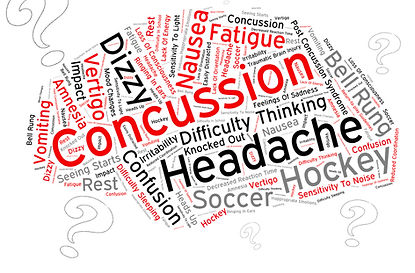
Concussion and Brain fog, headaches, light or sound sensitivity, fatigue, irritability, poor
Post-Concussion Symptoms concentration, dizziness, or emotional changes following head injury.
Emotional Dysregulation Strong emotional reactions, irritability, shutdown, mood swings, rejection sensitivity, or difficulty recovering after stress.
Burnout and Feeling depleted, overwhelmed, cognitively foggy, emotionally flat, or unable to
Nervous System Exhaustion recover even with rest.
Autism Spectrum and Sensory sensitivity, overwhelm, social fatigue, rigidity, difficulty with transitions,
Sensory Regulation Challenges or nervous system overload.
Dysregulated Brain States We Often See
A qEEG or brain map can help identify patterns of brain activity that may be contributing to symptoms. These patterns may include:
Overarousal The brain appears stuck in a high-alert state. This may be associated with anxiety, insomnia, trauma responses, muscle tension, irritability, or difficulty relaxing.
Underarousal The brain may not be activating efficiently. This can show up as fatigue, low motivation, depression-like symptoms, poor attention, or slowed processing.
Instability The nervous system may shift too quickly between states. This can contribute to emotional reactivity, mood swings, sensory overwhelm, panic, migraines, or inconsistent attention.
Poor Self-Regulation The brain may have difficulty calming, focusing, transitioning, or recovering after stress. You may feel like you “know what to do” but cannot make your nervous system cooperate.
Network Inefficiency Different brain regions may not be communicating efficiently. This can affect attention, memory, sleep, emotional regulation, sensory processing, and cognitive clarity.
How Neurotherapy May Help
Neurotherapy supports the brain’s natural capacity to reorganize and regulate itself. Depending on the individual, this may include neurofeedback, microcurrent stimulation, photobiomodulation, pEMF, or other gentle neuromodulation approaches.
At MettaMorphosis, treatment begins with understanding your history, your symptoms, and — when appropriate — your qEEG brain map. This allows us to create a personalized plan rather than using a one-size-fits-all approach.
A Personalized Approach
No two brains respond to stress, trauma, concussion, hormones, medication, or life experience in exactly the same way. That is why we look at the whole person — not just a diagnosis.
Our goal is to help the nervous system move toward greater stability, flexibility, and resilience, so clients can feel calmer, think more clearly, sleep better, and participate more fully in their lives.
If you would like to learn more, or book a free consultation with us,